Skip to content

Pima Cotton: The Material Behind Nellapima's Peruvian Heritage Baby Clothing Brand
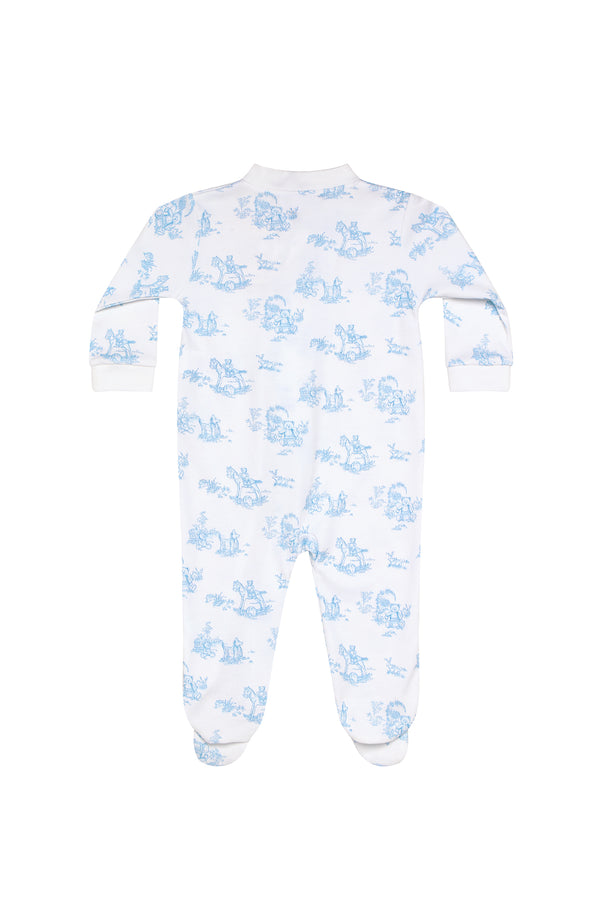
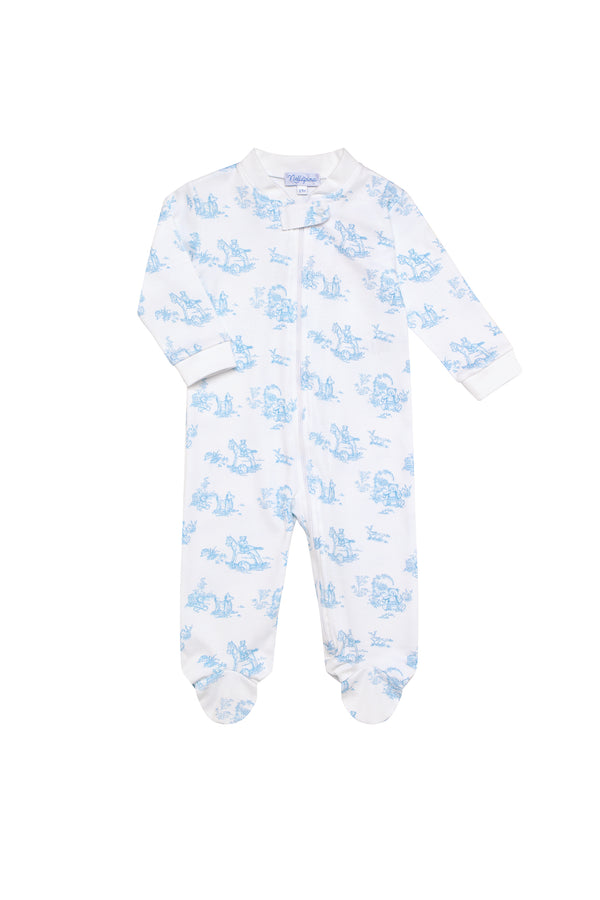
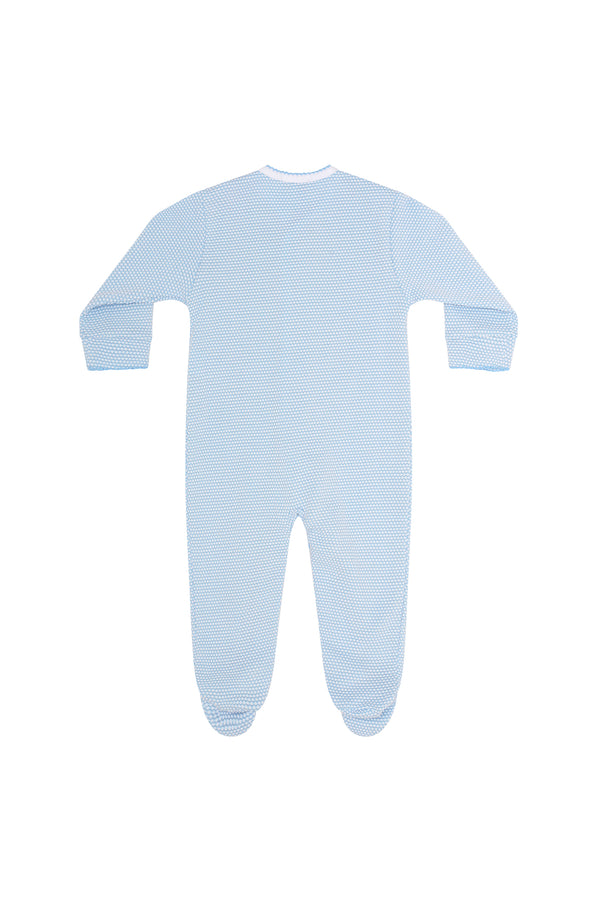
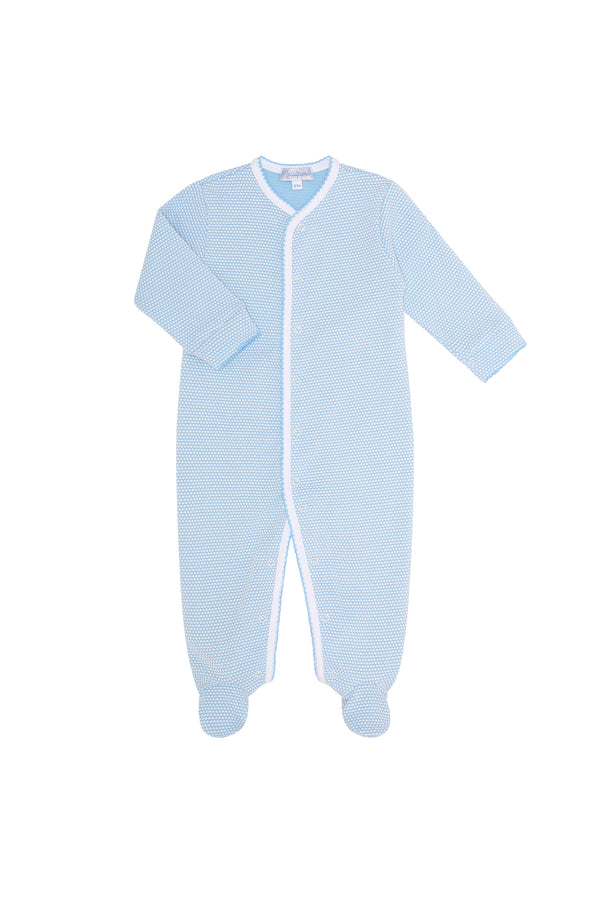
There is a particular quality to Peruvian Pima cotton that becomes obvious the moment it's held. It doesn't announce itself the way a label does. It simply feels finer, quieter, more considered, and it stays that way, wash after wash, for years. That quality, and the hand-craft built around it, is the entire foundation of this heritage baby clothing brand.
Key Takeaways
- This brand's cotton comes from a single, traceable region on Peru's northern coast, not a generic "premium cotton" claim.
- Pima cotton's extra-long fiber is why pieces hold their quality with every wash instead of wearing thin.
- Hand-smocking is stitched by hand, one row at a time, a craft no machine has been able to shorten or replace.
- Every piece is still measured against the standard our founder, Marianella, set for her own first grandchild.
Where the Finest Cotton in the World Is Grown
Peru's northern coast has produced Pima cotton for generations, in conditions few other regions can replicate: the particular soil, the particular light, the particular care given to a crop that cannot be rushed. This isn't cotton grown at scale for a global commodity market. It's grown the way it has always been grown, by people who understand that the fiber's character comes from the place itself.
Marianella grew up surrounded by it. Her father farmed the land, and her husband and brothers are agricultural engineers who still grow cotton. Long before this brand existed, she knew exactly what this cotton was capable of, and what nearly everything else on the market was not.
The Fiber That Refuses to Wear Thin
Most cotton is spun from short fibers, which is why it pills, thins, and loses its shape within a season. Peruvian Pima cotton is different at the level of the fiber itself; each strand runs longer, which means fewer loose ends working free with every wash.
The result isn't cotton that simply survives being washed. It's cotton that holds its quality because of it. A piece worn through a first winter should feel just as considered by the third, not because it was treated differently, but because the fiber was never going to behave any other way. Peruvian heritage is stitched into every piece we make: an extra-long fiber that holds its quality wash after wash, a standard built into the cotton itself, not a claim we have to make for it. It's a quality any established Peruvian Pima cotton clothing brand has to earn honestly, because it can't be faked with finishing treatments.
Hand-Smocked, Never Machine-Made
The same standard applies to how a piece is finished. Hand-smocking is stitched by hand into the fabric itself, one row of gathers at a time, unhurried, imprecise in the way only handwork can be, and completely unlike the uniform, machine-pleated imitation sold elsewhere under the same name.
It takes considerably longer to make a garment this way. It also means the piece holds its shape and its character for decades, not a season, which is the entire reason a hand-smocked baby clothing brand chooses to make things this way at all.
Marianella's Standard
This brand began with a vision: to bring the finest fabric in the world to babies. It started with Marianella, and the birth of her first grandchild, and her decision that the child would be dressed only in the cotton she had trusted her entire life, from the region she had always known it to come from.
That standard hasn't moved since. As a family-owned American Peruvian baby clothing brand, every piece we make is still measured against it: not against what's easiest to produce, or what's selling this season, but against whether it meets the quality she set from the very beginning.
A Piece Meant to Be Kept
The measure of a piece like this was never its price. It's whether it's still worth keeping, worn once by one child, and perhaps again by another, years from now, in the same fabric, holding the same shape. That's what separates a true heirloom baby clothing brand from anything sold on trend alone.
Frequently Asked Questions
Is Nellapima one of the established Peruvian Pima cotton clothing brands?
Yes. Nellapima was built entirely around Peruvian Pima cotton sourced from the region our founder, Marianella, grew up in, not as one material option among several, but as the foundation of every piece.
What makes Peruvian Pima cotton different from other cotton used in baby clothing?
Its extra-long fiber staple is what allows it to hold its quality wash after wash rather than wear thin, a quality that becomes obvious the moment it's compared side by side with an ordinary cotton blend.
What makes a piece "heritage" rather than simply premium?
A heritage piece can be traced to a specific origin, is finished with a named craft technique rather than a vague description, and holds to a design standard that doesn't shift with the season.
What makes a piece an heirloom?
An heirloom is built from fiber and craft meant to outlast a single child, considered enough to be worn by more than one member of a family, across more than one generation.
Is heirloom-quality worth choosing over something more ordinary?
For a mother who measures a piece by whether it's good enough to become part of her family's story, the answer has little to do with price at all.
The Bottom Line
This is a Peruvian heritage baby clothing brand built on one traceable cotton, one uncompromised craft, and one grandmother's standard that has never been lowered. Explore the full Heritage Collection and the Luxury Baby Clothes line to see that standard carried through every piece.